The Balancing Act: Too Frequent vs. Not Frequent Enough
Ontario drivers face a unique challenge: wash too often (weekly) and you remove protective wax layers, expose clear coat to mechanical washing wear, and waste water and money. Wash too infrequently (monthly or less) and you leave corrosive road salt, tree sap, bird droppings, and industrial fallout sitting on your paint where they etch and damage the finish. Finding the right frequency is key to long-term paint health.
Recommended Wash Frequency by Ontario Season
Winter (November-March): Every 2 Weeks or After Major Salt Events
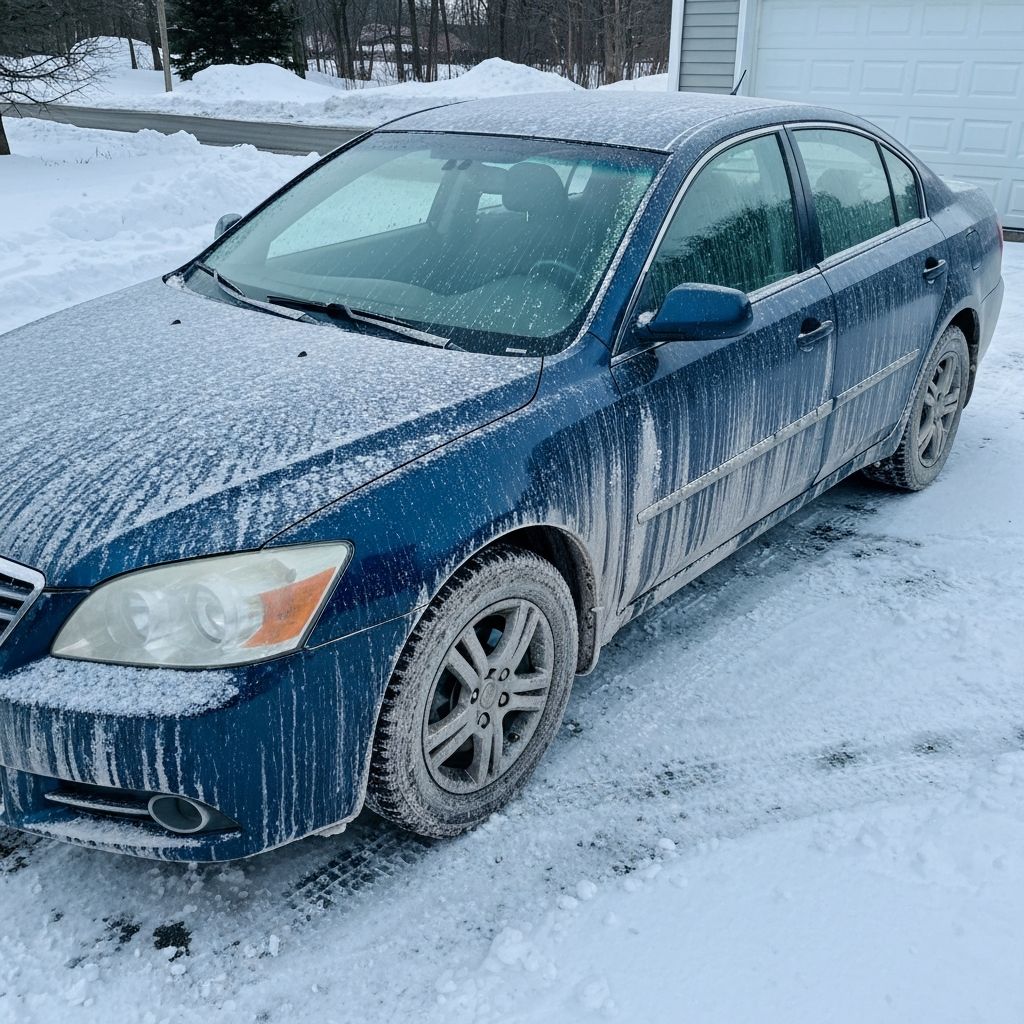
Road salt is the enemy during Ontario winter. After major snowfall events when salt trucks are out, your vehicle should be washed within a few days to remove salt accumulation from the undercarriage, wheel wells, and body. A standard winter wash should include thorough rinsing of the undercarriage — this is where salt does the most damage. Avoid high-pressure automated brush washes in winter (the abrasion grinds salt particles into paint); instead use touchless washes or manual washing.
Spring (April-May): Every 2 Weeks
Spring brings increasing UV exposure, pollen, tree sap, and bird droppings. Bi-weekly washing removes these contaminants before they cause damage. Spring is also the ideal time for a professional spring detail with clay bar and protective wax application — this base protection means you can get away with more frequent basic washes without worrying about wearing through protective layers.
Summer (June-August): Every 2-3 Weeks
Summer brings bird droppings (April-June peak, then lessens), tree sap, road tar, and intense UV exposure. Contaminant removal is important, but you're also contending with high temperatures and UV. Every 2-3 weeks is appropriate — more frequent than necessary, less might allow damage-causing contaminants to sit too long.
Fall (September-October): Every 2-3 Weeks
Fall brings falling leaves (which can stick to paint in rain), pollen, tree sap, and debris. Preparation for winter is beginning — the fall detail (professional) should happen in September, followed by regular 2-3 week washes to maintain the protection that detail established.
The Smart Ontario Car Wash Strategy
Professional Detail Every Season (4 times/year)
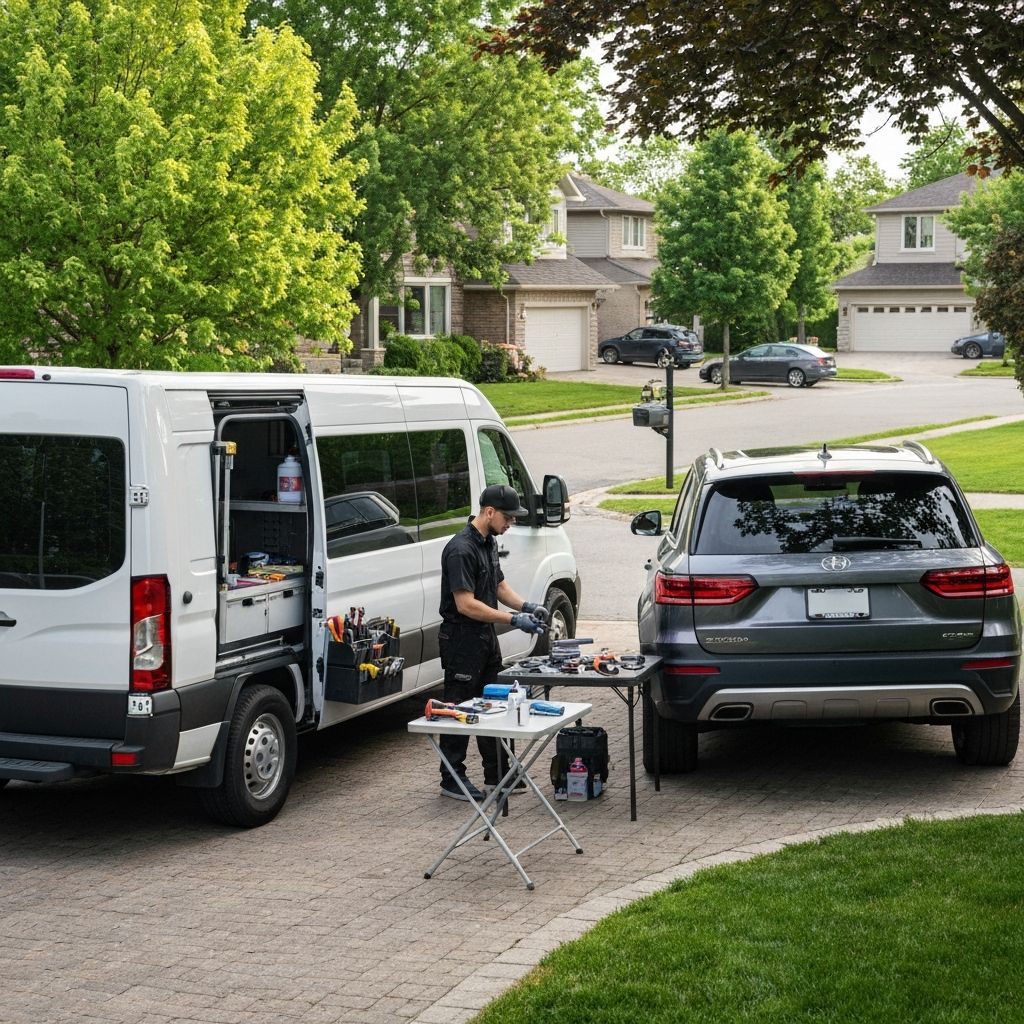
Spring, summer, fall, and mid-winter professional details set the protection baseline. Each detail removes bonded contaminants and applies fresh protective products.
Regular Washes Between Details
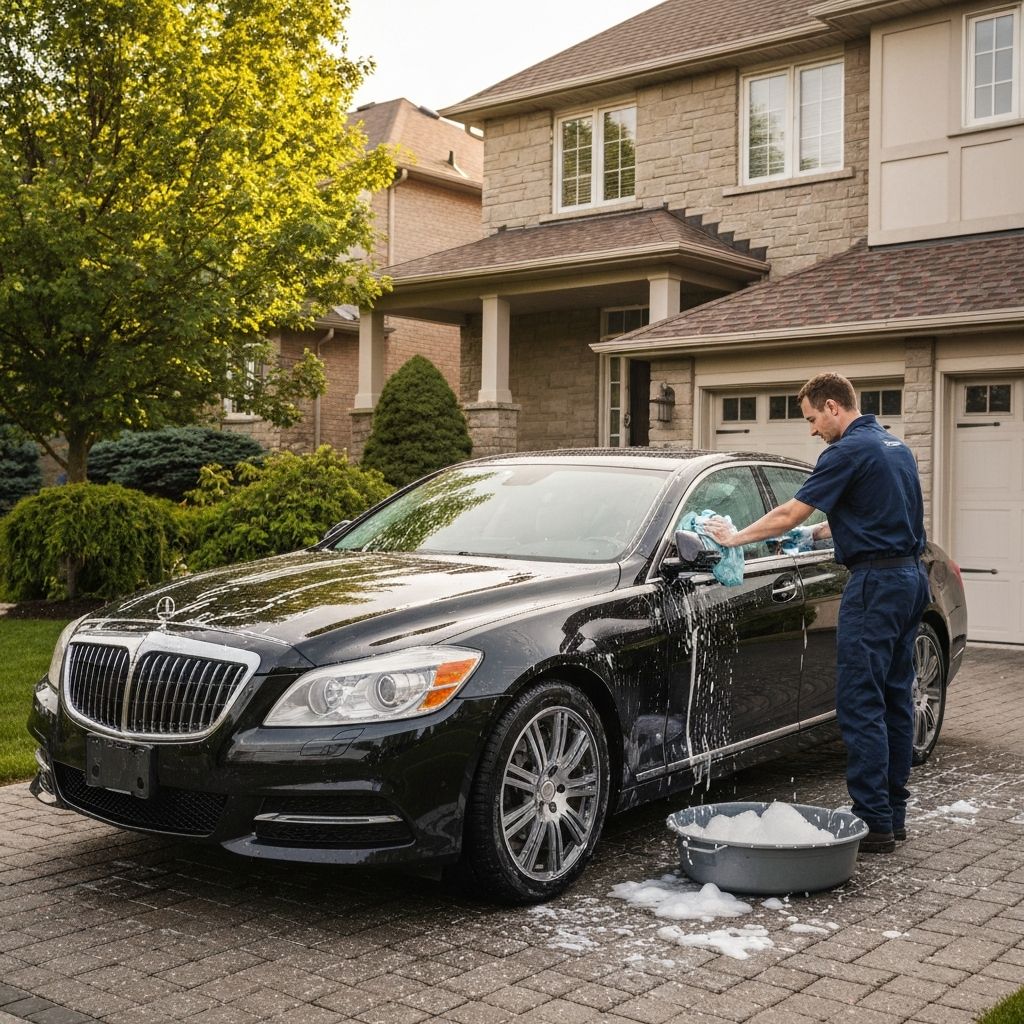
2-3 week intervals between details. Use a two-bucket hand wash method when possible (one bucket with soapy water, one with rinse water). If using automated wash, choose touchless options that avoid brush damage.
Avoid Unnecessary Washing
If your vehicle isn't particularly dirty, skip a week. Every wash, even gentle ones, provides opportunities for minor damage. Use your judgment — don't wash just because it's your scheduled wash day.
Wash Method Matters as Much as Frequency
The quality of your wash significantly affects paint condition. Professional hand washing by trained detailers, careful two-bucket washing at home, or touchless automated washes are fine. Avoid: brush-based automated washes (especially with salt on the paint), high-pressure hoses at close range, old terry cloth towels for drying (use quality microfiber), and using the same water to rinse multiple vehicles without changing it.
At Seefi Auto Detailing, our regular wash services help Ontario drivers maintain the ideal balance. We recommend every 2-3 weeks for wash maintenance, plus seasonal professional details. This combination keeps paint in excellent condition without over-washing.